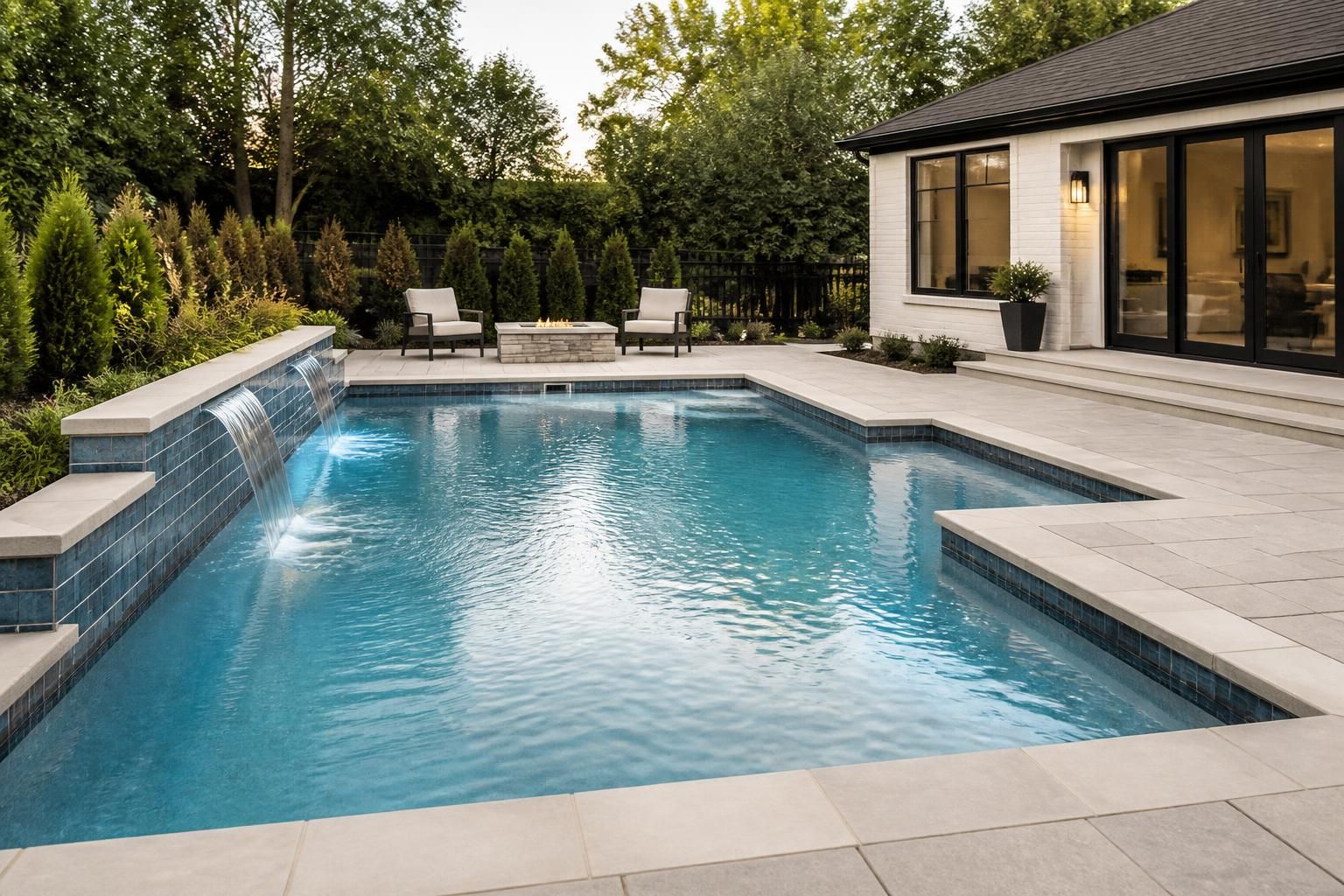
A pool that once looked sharp can start showing its age through rough plaster, stained tile, cracked coping, or finishes that no longer match the home. Some owners notice waterline discoloration, loose surface material, or areas that feel abrasive underfoot. Others see hairline shell cracks, faded quartz, peeling marcite, or coping movement after seasons of heat, UV, humidity, heavy rain, and salt air exposure across New Providence.
When those signs appear, Nassau Pool Builders can assess the surface, structure, and finish package, then plan the right renovation path for your pool site. We look at the shell, waterproofing, tile line, deck edge, plumbing penetrations, and equipment tie-ins so the remodel supports both appearance and long-term use for homes and estates across New Providence, The Bahamas.
Many renovation projects begin with visible damage that owners can spot before it becomes harder to manage. A pool does not need to be falling apart to justify resurfacing. Small changes often point to larger wear beneath the finish layer, especially on waterfront sites and properties exposed to limestone, groundwater, and constant sun.
These issues do not all mean the same thing. Some call for resurfacing alone, while others call for a broader remodel that includes repairs beneath the finish layer.
Pool renovation can be a focused refresh or a full transformation. We shape the scope around the existing structure, the condition of the shell, and the new look the owner wants for the property. Nassau Pool Builders handles remodeling work that may include cosmetic updates, structural patching, or full surface replacement where the finish has reached the end of its life.
Renovation work often includes plaster removal, substrate preparation, retiling, coping replacement, deck-edge updates, and finish upgrades that suit the home or resort setting. For some pools, the shape stays the same while the look changes completely. For others, we rework steps, benches, tanning ledges, or waterline details to make the pool feel more usable and balanced.
A remodel can improve circulation around worn steps, add cleaner lines to a dated shell, or correct details that no longer suit the property. In New Providence, where many pools face sun, salt air, and intense use, a remodel can also help the pool read as fresh and cohesive instead of patched together from multiple repairs.
The finish material affects how the pool looks, feels, and holds up. We help homeowners compare surface options based on texture, color, maintenance, and the overall design of the property. The right finish should suit the shell, the deck, and the surrounding setting, whether the pool serves a residence, villa, or waterfront estate.
Each material has a different look and feel. We review how the surface will interact with tanning ledges, steps, and the level of use the pool receives.
Good resurfacing starts beneath the visible layer. If the shell, penetrations, or edge details need attention, those points should be addressed before new finish material goes on. That keeps the renovation from hiding a problem that later returns through the new surface.
We review the shell, coping, tile line, step geometry, and deck transitions for cracks, separation, or weak areas.
Old finish is removed where needed, and the substrate is cleaned and prepared for new material bonding.
Hairline shell cracks, damaged step corners, and worn joints are repaired before resurfacing begins.
Where the design needs it, we address penetrations, tile transitions, and edge points that need careful sealing.
The selected plaster, quartz, pebble, or tile package is applied with attention to color, texture, and waterline alignment.
This sequence helps the new finish sit on a sound base instead of on damage that was never addressed.
Some pool owners want more than a refreshed surface. They want the pool to feel better suited to the property, the way it is used, and the architecture around it. Remodeling allows us to rethink details that affect comfort and visual balance without turning the pool into something unfamiliar.
Where the existing shell allows, we can refine step placement, add or adjust benches, improve entry points, or reshape select features so the layout feels more natural. A small change at the entry can make a large difference for daily use.
The transition from pool to deck matters. Coping, joint lines, and deck pitch influence how the finished work looks after renovation and how water moves away from the pool edge. That is especially important on New Providence properties with heavy rain and exterior areas that need clean drainage paths.
The waterline is one of the first places a worn pool shows age. Tile can crack, grout can discolor, and previous patchwork may leave mismatched sections around the perimeter. Replacing that band gives the entire pool a cleaner visual line and can sharpen the look of the finish below it.
We use tile, coping, and finish details to create a coordinated result rather than a series of disconnected repairs. For many projects, the waterline update becomes the centerpiece of the remodel because it frames the pool every time someone looks across the deck.
Renovation work here has to account for the site, not just the surface. Tropical heat, UV, humidity, heavy rain, evaporation, salt air corrosion, limestone, groundwater, hydrostatic pressure, and waterfront exposure can all affect how a remodel should be planned. A finish package that looks fine on paper may not suit the actual conditions around the pool.
That is why Nassau Pool Builders considers drainage, deck transitions, shell movement, and material compatibility during the planning stage. Whether the pool sits at Paradise Island, Cable Beach, Lyford Cay, Old Fort Bay, Albany, Palm Cay, Sandyport, Ocean Club Estates, Winton, Yamacraw, Eastern New Providence, or Western New Providence, the renovation should be matched to the property and the surrounding environment throughout New Providence, The Bahamas.
Every renovation follows a clear sequence so owners know what comes next. The exact scope changes from one pool to another, but the work usually moves through the same practical stages.
We inspect the pool surface, structure, edge details, and equipment connections to identify what must be repaired before finishing.
We define whether the project is resurfacing only, a remodel with design updates, or a broader renovation with tile and coping changes.
Old material is removed where required, and the shell is prepared for the selected finish system.
Cracks, worn joints, and damaged details are handled before the new surface goes on.
New plaster, quartz, pebble, or tile is installed, followed by water balancing and final inspection of the visible result.
For larger remodels, this planning also allows coordination with pool lighting, water features, equipment upgrades, or saltwater system changes if the renovation scope includes them.
Yes. Many projects focus on finish replacement, tile, and coping while keeping the shell layout the same. That is a common choice when the structure is sound and the owner wants a cleaner look rather than a reconfigured pool.
Cracks that keep returning, movement at the coping, hollow-sounding areas, persistent staining, or shell issues around steps and penetrations can point to more than a surface problem. Those signs deserve a closer review before new finish material goes on.
Plaster gives a classic smooth surface, quartz adds depth and wear resistance, and pebble offers a more textured look with a natural feel. Tile is often used for accents, waterline bands, or areas where the design calls for a sharper visual edge.
Yes. When deck edges, coping, or tile lines are dated or damaged, it often makes sense to address them during the same renovation so the pool reads as one finished project instead of a series of separate fixes.
It can. Adjusting steps, adding benches, refining entry areas, or updating edge details can make the pool more comfortable and easier to enjoy while also improving the visual presentation.
After new finish work, the water is balanced to support the curing and startup process. That step matters because fresh surfaces need the right chemistry before the pool returns to normal use.
If your pool surface is worn, your tile line is tired, or the whole design no longer fits the property, Nassau Pool Builders can help you map the next step. We handle renovation, remodeling, and resurfacing projects across New Providence, The Bahamas, with attention to the shell, the finish, and the details people see every day.
Reach out by phone at +16477005472 or email [email protected] to discuss your pool renovation goals for New Providence.

Start Your Project
Tell us about your lot, waterfront exposure, preferred finish, or equipment goals. We help homeowners, resorts, and property managers in Nassau, New Providence, understand the right path for design, construction, renovation, repair, or maintenance.