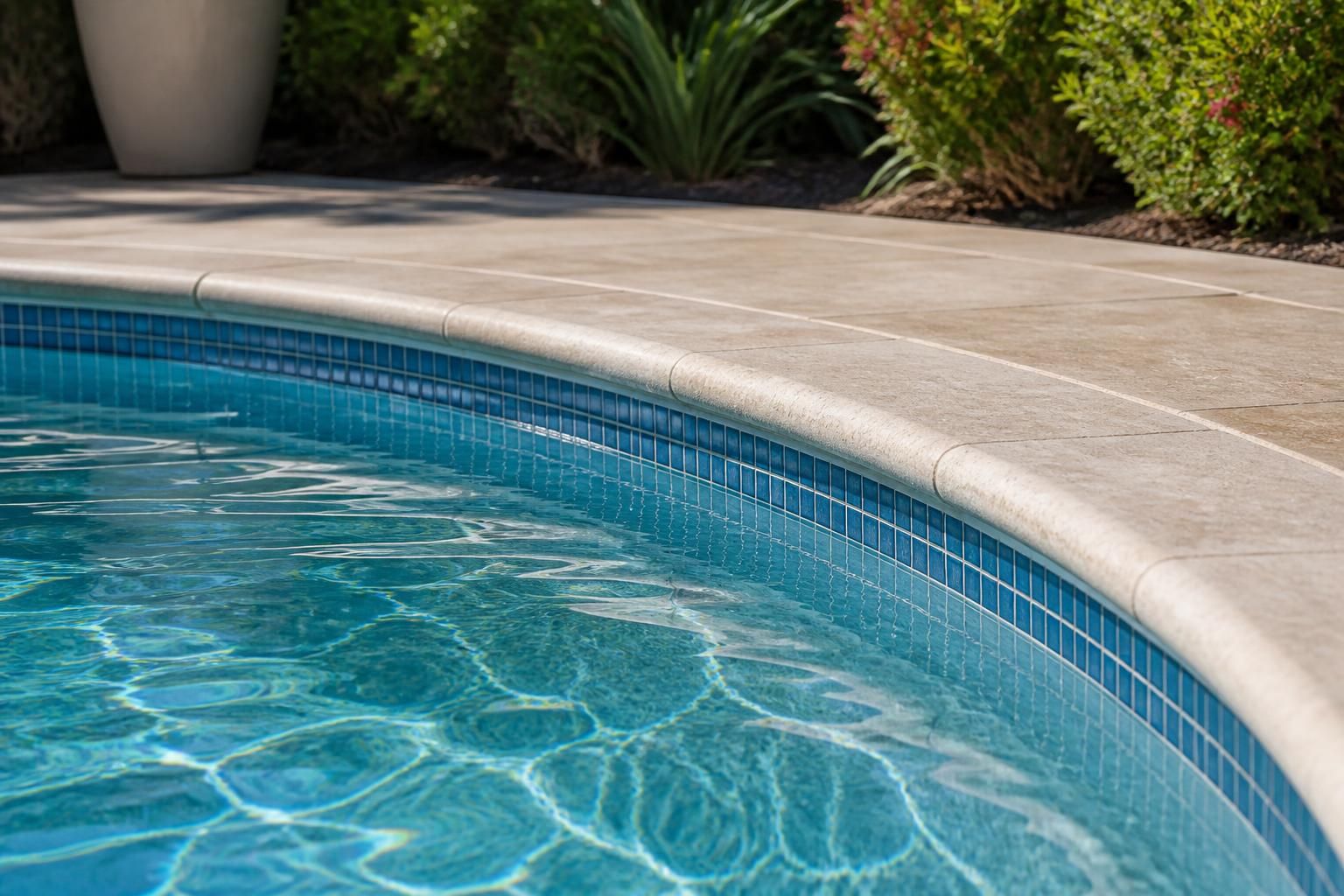
A pool that keeps dropping water, leaves damp areas nearby, or needs constant refilling is signaling a problem that deserves attention. Small leaks can start at a fitting, a return line, a skimmer, a light niche, or a crack in the shell, then spread into larger damage if they stay unchecked.
When that happens, Nassau Pool Builders can inspect the pool, isolate the source, and handle repairs for homes and properties across New Providence, The Bahamas. We look for shell leaks, plumbing leaks, seal failures, and equipment-related water loss, then match the repair to the actual cause rather than guessing at the surface.
Not every water loss problem looks dramatic. Some pools only show a slow drop, a stubborn air bubble at the pump, or a stain line that keeps moving. On New Providence, where heat, UV exposure, humidity, heavy rain, salt air, limestone, groundwater, and hydrostatic pressure can all affect a pool, the early signs are worth catching before they turn into larger repairs.
If you notice more than one of these symptoms, it is time to look beyond the surface and trace the source. A leak can travel before it appears, especially on waterfront and coastal sites across New Providence, The Bahamas.
Leak detection works best when each possible source is checked step by step. Nassau Pool Builders begins by reviewing the visible condition of the pool, then narrowing the loss to the shell, plumbing, fittings, or equipment side. The goal is to find where water leaves the system, not just where it shows up.
This process saves time and avoids unnecessary work. It also helps protect surfaces, plumbing, and surrounding areas from repeat leaks that can return if only the symptom is treated.
Pool leaks often start at parts that move, seal, or connect different materials. A pool built with PVC or CPVC piping, drains, skimmers, returns, plaster or marcite, quartz or pebble aggregate, tile, and coping has several places where wear or movement can create a path for water loss.
Cracks can appear in plaster, quartz, pebble, or the structural shell beneath the finish. Some are cosmetic, while others let water move into the shell or behind the finish. We assess the crack pattern, location, and depth before deciding how to repair it.
Pressurized lines, suction lines, fittings, valves, and joints can seep underground or at accessible equipment points. Plumbing leaks often show up as unexplained water loss, poor circulation, or moisture around valves and pipes. We use pressure testing and targeted inspection to isolate the line.
Skimmers, drains, light niches, returns, and steps can leak where seals age or concrete moves. These areas require attention to both the pool surface and the connection behind it.
Once the leak source is confirmed, the repair should match the construction method and finish. A patch that suits one pool may fail on another if the shell, tile, or plumbing layout is different. Nassau Pool Builders uses repair methods that align with the pool’s actual structure and the conditions around it.
We also look at related items such as anti-entrapment drains, depth markers, barriers and gates, and equipment connections if the leak area overlaps with safety or circulation components. When repairs touch the circulation side, water balance and system checks matter just as much as the patch itself.
Pool repair on New Providence calls for attention to the site as well as the leak. Tropical heat, UV exposure, humidity, heavy rain, hurricane conditions, evaporation, salt air, limestone, groundwater, and hydrostatic pressure can all influence how a leak behaves and how a repair should be completed. Waterfront sites and canal-adjacent properties may also push moisture through the shell or around penetrations, which can make the source harder to see without a careful inspection.
That is why we consider more than the visible stain or crack. We look at the surrounding deck, coping, waterproofing details, pipe routes, and equipment layout, then plan the repair around the pool’s construction and the site conditions common across New Providence, The Bahamas.
Some water loss problems start at the equipment pad rather than the pool shell. Pumps, filters, heaters, valves, seals, and automation components can all contribute to loss, air intake, or poor circulation when parts wear out or connections loosen. We inspect equipment tied to Pentair, Hayward, Jandy, Polaris, and Dolphin or Maytronics setups when those components are part of the pool system.
During this stage, we look for signs such as dripping unions, loose valve handles, cracked housings, seal failure, abnormal pressure, or filter issues that point back to the circulation side. If the pool uses saltwater, we also consider the salt cell, electrolysis components, and corrosion-prone areas so the repair does not ignore the conditions that helped create the problem.
After a leak repair, the water should be brought back into balance so the finish and equipment are not stressed. That means checking pH, alkalinity, hardness, sanitizer level, and salt content where relevant. A pool surface that has just been repaired can react badly if the water is far out of range, especially on finishes like plaster, quartz, pebble, and tile.
We also review circulation so the repaired pool is moving water evenly through skimmers, returns, and filtration. When flow is uneven, the same area can become a trouble spot again. Good balancing is part of protecting the repair, not an extra step after the fact.
Homeowners often want to know how the process unfolds once they reach out to Nassau Pool Builders. We keep the visit practical and focused on the source of the loss.
That approach works for residential pools across Winton and Yamacraw, waterfront homes at Lyford Cay and Old Fort Bay, resort properties around Paradise Island and Albany, and other sites throughout New Providence, The Bahamas.
Yes. Skimmer throats, weirs, and the connection behind the skimmer can all fail. Water loss near the skimmer line often needs targeted testing because the visible symptom may appear elsewhere.
No. Some cracks are surface-level, while others reach deeper into the shell or finish. We inspect the crack pattern and location before deciding on the repair method.
Air at the pump often points to a suction-side leak, a loose union, a worn seal, or a fitting that no longer holds water. It is a useful clue, but not the full diagnosis.
Yes. Hydrostatic pressure and groundwater can change how water moves around the shell, especially on certain New Providence sites. That is one reason the surrounding area matters during inspection.
It can. Constant refilling changes sanitizer demand and can make pH, alkalinity, and other readings harder to hold. A leak repair should be followed by water balancing.
We typically review the shell, skimmers, returns, drains, light niches, fittings, valves, visible plumbing, and equipment connections. If the pool has a salt system or automation, those parts are checked as part of the overall system.
If your pool keeps losing water, or if you suspect a crack, fitting leak, or underground plumbing issue, Nassau Pool Builders can inspect and repair it for New Providence, The Bahamas. Call +16477005472 or email [email protected] to discuss the symptoms and schedule a leak check that gets to the source.
Our address is 1 West Plaza, Windsor Field Road, Nassau, New Providence, The Bahamas. We work with pool owners who need a clear repair plan, not guesswork, and we keep the process focused on the condition your pool is showing now.

Start Your Project
Tell us about your lot, waterfront exposure, preferred finish, or equipment goals. We help homeowners, resorts, and property managers in Nassau, New Providence, understand the right path for design, construction, renovation, repair, or maintenance.